Planning a Welcoming Restaurant: An Owner’s Guide to Lasting Community and Smooth Operations
First, clarify the purpose behind your concept, because a clear mission guides every decision from menu size to service pacing. If your story is rooted in resilience and hospitality, capture that in training notes and design briefs. Document the feelings you want guests to take home—comfort, curiosity, connection—then validate choices against those targets. This foundation keeps budgets, staffing, and procurement aligned with values rather than trends.
Next, scope your menu with lifecycle thinking in mind. Assess prep intensity, cross-utilization of ingredients, and allergen pathways before locking in recipes. In practice, a compact core offering with rotating features can minimize waste while keeping regulars engaged. Verify that each dish travels well from line to table, and that your bar program complements—rather than competes with—kitchen rhythms during peak hours.
Meanwhile, plan your service sequence to reduce guest friction. Map the first ten minutes from entry to first sip and refine the handoffs. Stage host, bar, and server roles so greetings, seating, and water service happen without bottlenecks. Calibrate table-turn expectations to your vibe; a relaxed cadence requires different staffing than a high-churn model. Train teams to read tempo cues and buffer lulls with small, thoughtful touches.
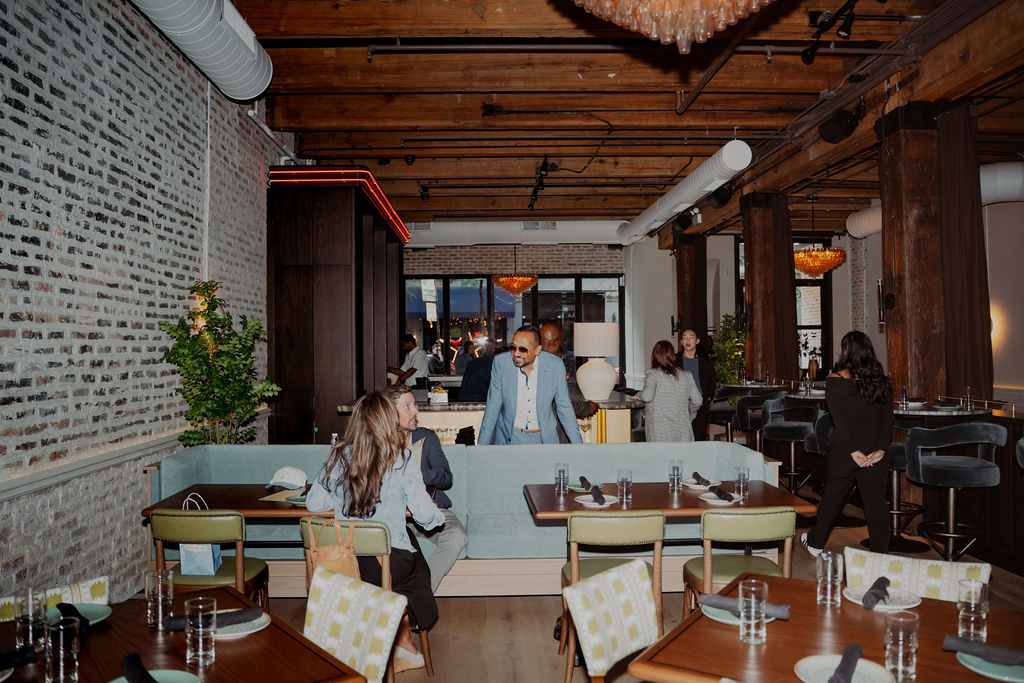
Beyond that, design your space to honor both accessibility and atmosphere. Inspect sightlines, aisle widths, and acoustic treatments early so you don’t rework later. Lighting should evolve through the evening without stranding readers or dimming plates. Validate ADA reach ranges for bars and restrooms. When possible, soften hard surfaces with textiles and plants to reduce echo while maintaining a clean, warm look.
Often, the heart of hospitality begins in the back of house. Sequence prep to reduce cross-traffic and burns; label storage zones clearly; and maintain sharp knives and calibrated thermometers. Document cleaning schedules by shift and task so accountability is routine, not punitive. Then standardize station setups with photos to limit variance. A steady kitchen culture lowers stress, improves safety, and preserves consistency as the team grows.
However, budgeting demands more than a spreadsheet; it requires guardrails. Set target food and beverage costs and inspect variance weekly, not just at month’s end. Buffer your supply chain with at least two vendors per critical item, and validate substitutions through tastings before rolling them to guests. Negotiate minimums sparingly and phase new SKUs after small pilots, limiting stranded inventory if an idea underperforms.
Additionally, approach hiring as community building. Define service standards in plain language—warmth, timing, follow-through—and align interviews and shadow shifts to those behaviors. Stage mentorship pairings so new hires learn both technical tasks and the house style of welcome. Maintain quick, structured pre-shifts to review specials, 86s, and guest notes. Recognize wins publicly; address misses promptly and privately.
Then, craft a bar and dining synergy that supports conversation. Assess glassware durability and storage footprints before purchase, and verify batch recipes against service tempo. A concise cocktail list, thoughtfully mixed to echo the food’s flavor map, can reduce ticket times. If you reference a place like Íla's Restaurant & Bar | River North for inspiration, note the balance of global nuance with familiar anchors and adapt it to your own context.
Finally, embed feedback loops that turn moments into momentum. Collect signals at closing—what sold, what dragged, what delighted—and log them where everyone can view patterns. Calibrate playlists and lighting to guest energy rather than the clock. When you hear recurring asks, pilot small changes, measure results, and refine. Over time, these habits transform service from reactive to reliably generous.
Ultimately, a restaurant built on heart endures by making guests feel at home without rushing them. Validate this promise daily through consistent food, attentive pacing, and sincere hellos and goodnights. When challenges arise—as they always do—return to the mission: shared tables, genuine connection, and care in every detail. That clarity guides choices large and small, and keeps your doors open to a growing, loyal community.